In this course students will be given hands on training on processing of various plant and animal based products. Safety measures in pilot plant and aspects of Quality assurance for both domestic and export goods.
Category: ADVENT 2023
In this course students will be given hands on training on processing of various plant and animal based products. Safety measures in pilot plant and aspects of Quality assurance for both domestic and export goods.
Andabati Dan Robert
Causes, principles and practices responsible for losses/wastage of agricultural products in the food systems are explained especially in the developing world context. The consequences of these losses to the agricultural value chains in terms of qualitative, quantitative, nutritional and socioeconomic losses are also discussed. Students are then introduced to various conventional and modern loss assessment and estimation techniques and their limitations. Through case studies and inclusive discussions mitigation technologies and innovations appropriate for zero losses in the developing world for different categories of agricultural commodities and corresponding food systems are studied with special emphasis on comparing advanced and developing country contexts. Consideration is made to discuss the interrelationship between the characteristics of the agricultural products and the facilities, equipment and markets in the respective agricultural product value chains as well as food systems.
Dear students welcome to the Public Relations Strategy course. This course builds on an earlier course - Fundamentals of Public Relations. the course is meant to advance your knowledge of what it takes to build a Public Relations campaign. By the end of this course, you are expected to be able to: Discuss key Communication theories as they pertain to Public Relations, and specifically to Public Relations campaigns; Identify key traditional and new media platforms in public relations practice; Identify publics in relation to a specific Public Relations context or problem; Plan, execute, and evaluate a successful Public Relations campaign.
| Mr Ajuaba David Baiko |
This course is called POM. It will be lectured by Norbert Bandale assisted by Mr Asiku Kiiza.
Management
simply means a specific process of planning, organizing, staffing directing and
controlling the efforts of the people who are engaged in activities in a
business organization in order to attain predetermined objective of such organizations.
Asio Annet
Mr. Asiku Kiss Kizza
Mr. Wamusi Robert
Mr. Olekua Jimmy
Mr. Dokcen Charles
Mr. Asiku John

Welcome to Project and Business Environment course. The course is intended to introduce students to the environment around a project and how this environment can be managed to the advantage or survival of a project. The focus of this course is therefore to generate the necessary information, knowledge and skills for managing the project and its business environment.
Mr. Oyo Silas
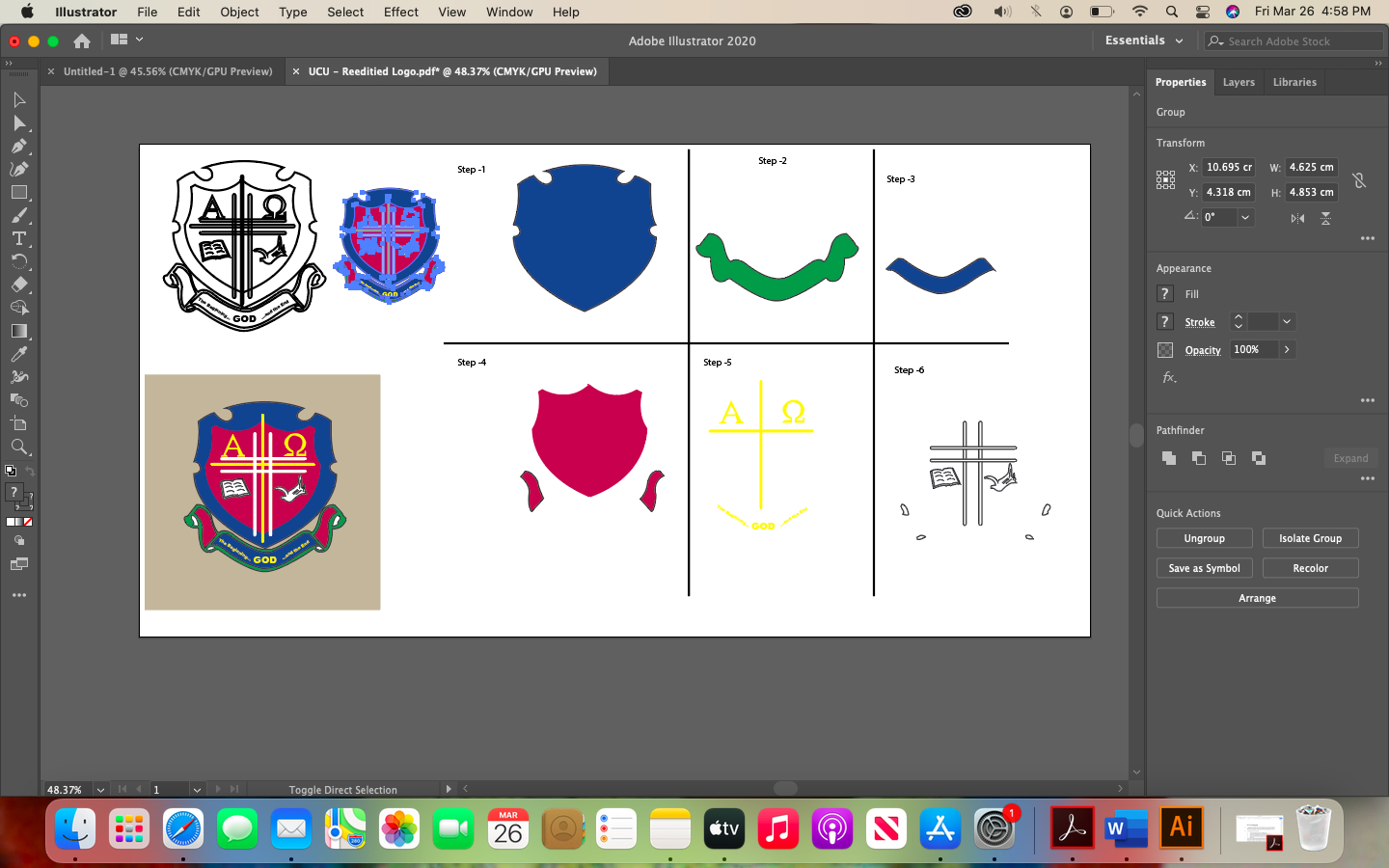
Project development in Computer introduces the concepts and implementation of computer graphics designing techniques, this course will focus on the practical & theoretical aspects and methodologies of graphic designing.
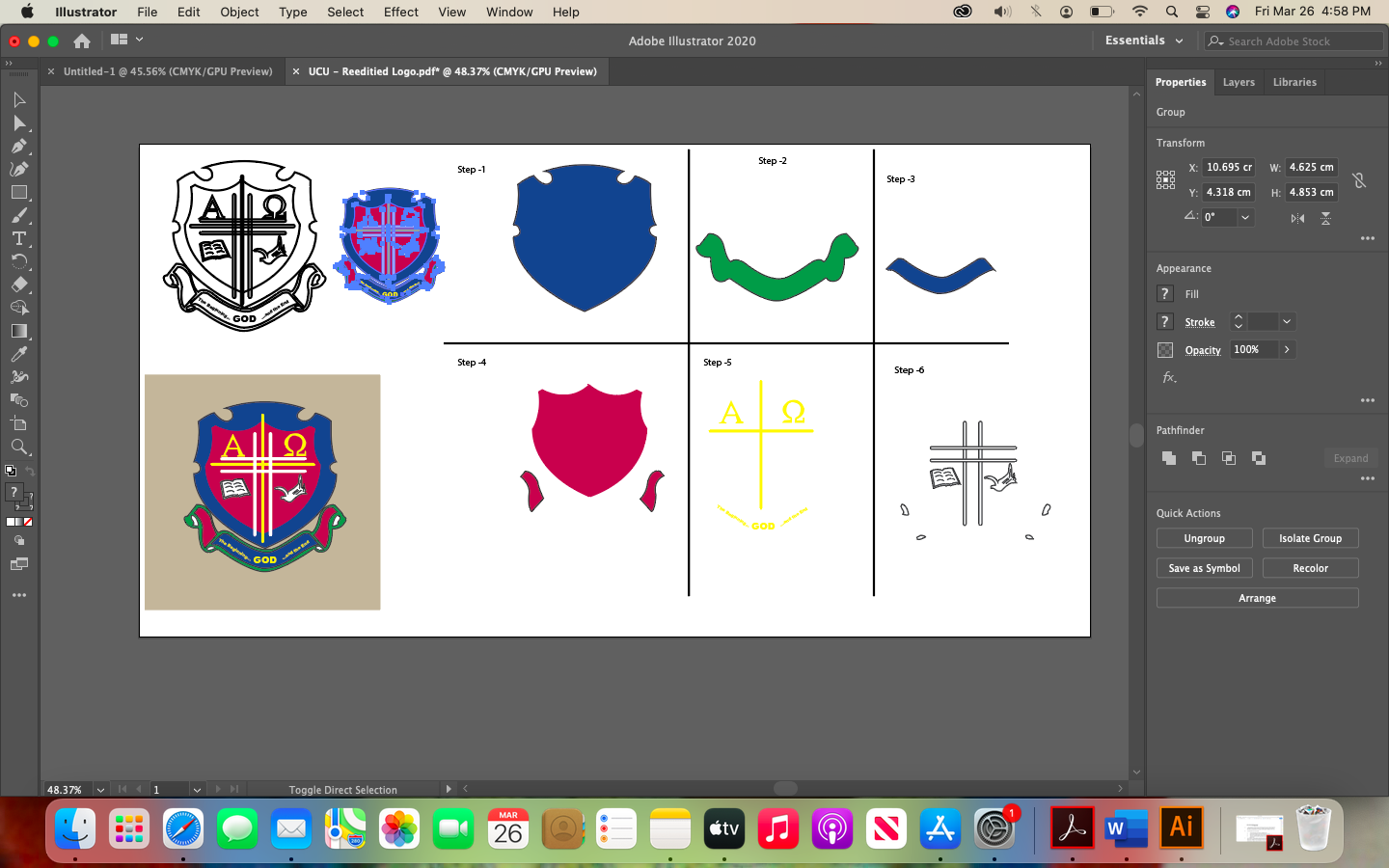
The course aims at equipping students to advanced computer graphic designing through critical thinking, analysis and concept creation. The course will teach learners how to create advanced corporate, communicative and contemporary designs that meet the client’s needs.
Course Objectives
The objectives of this course unit include:
To teach learners how to create advanced corporate designs using graphic software.
To train learners how to critical think & create advanced communicative graphic designs.
To equip learners with skills of how to create contemporary designs that meets client’s needs.
To create complex communicative symbols, images, designs and insignia using graphic software.
To equip students with skills of composing contemporary powerful advertise that meets client’s needs.
To train learners how to use various advanced graphic designing software.
To equip learners with critical thinking skills through designing using different computer aided software.
Learning Outcomes.
Upon completion of this course, the student will be expected:-
To produce cooperate graphic designing that meets client’s needs.
To make computer graphic designs through the creation of complex communicative designs.
To create advanced cooperate communicative designs.
To critical think and make design using different computer aided software
Course Learning Outcomes.
Upon completion of this course, a student will be expected to;
Mr. Acidri Emmanuel Bilah
Mr. Arumadri Godwill